In-Depth Overview of the Operative Hysteroscopy Procedure: Advancing Women's Health
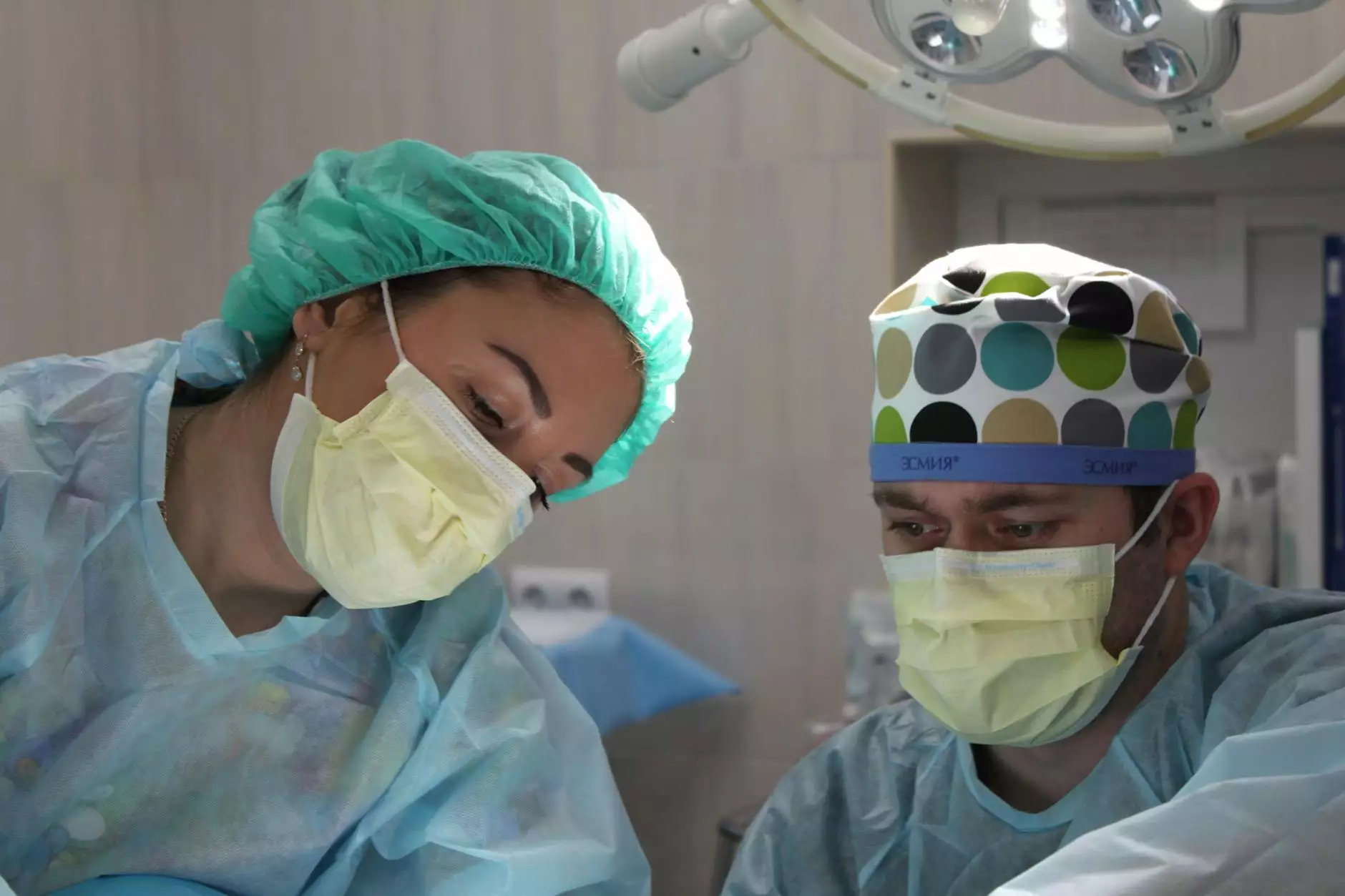
In recent years, advancements in gynecological surgery have revolutionized how women’s reproductive health issues are diagnosed and treated. Among these innovations, the operative hysteroscopy procedure stands out as a minimally invasive, highly effective method for diagnosing and addressing a variety of intrauterine conditions. Led by highly experienced obstetricians & gynecologists, such as Dr. Seckin, this procedure offers women a safe, efficient, and less painful alternative to traditional surgical approaches.
Understanding the Operative Hysteroscopy Procedure
The operative hysteroscopy procedure is a specialized surgical technique used to examine and treat problems within the uterine cavity. Unlike diagnostic hysteroscopy, which involves mere visualization, the operative version enables the physician to perform corrective interventions in real-time during the same session.
What Is Hysteroscopy?
Hysteroscopy is a procedure where a thin, lighted instrument called a hysteroscope is inserted through the vagina and cervix to access the interior of the uterus. When performed operatively, it allows for direct treatment of various uterine abnormalities without the need for external incisions.
Key Indications for the Operative Hysteroscopy
- Uterine Polyps: Removal to improve fertility or resolve abnormal bleeding.
- Submucosal Fibroids: Resection to alleviate symptoms and enhance reproductive chances.
- Intrauterine Adhesions (Asherman’s Syndrome): Restoration of normal uterine cavity for conception.
- Septate Uterus or Congenital Anomalies: Resector resection to prevent miscarriage.
- Recurrent Abnormal Uterine Bleeding: Identification and treatment of bleeding sources.
- Chronic Pelvic Pain: Diagnosing structural causes that might be causing discomfort.
The Procedure: Step-by-Step
Understanding the process helps patients feel more comfortable and informed. Below is a detailed description of what to expect during the operative hysteroscopy procedure.
Preoperative Preparation
Prior to the procedure, a thorough medical history review, pelvic examination, and imaging studies (such as ultrasound) are performed. Patients are advised to avoid eating or drinking several hours before surgery and may receive medications to reduce discomfort or infection risk.
Anesthesia and Sedation
The procedure can be conducted under local anesthesia, conscious sedation, or general anesthesia, depending on the complexity of the condition and patient preference. Your obstetrician & gynecologist will determine the most appropriate approach to ensure comfort.
Performing the Operative Hysteroscopy
During the operation:
- A hysteroscope is gently inserted through the vagina, cervix, and into the uterine cavity.
- Distention media, such as saline solution or carbon dioxide gas, are used to expand the uterine cavity for clear visualization.
- The surgeon examines the interior of the uterus in real-time, identifying abnormalities.
- Specialized surgical instruments are introduced through the hysteroscope to remove or correct identified issues, such as polyps or fibroids.
Advantages of the Operative Hysteroscopy Procedure
This surgical technique has transformed women’s healthcare by offering numerous benefits:
- Minimally Invasive: No external incisions are required, resulting in less scarring and faster recovery.
- High Precision: Direct visualization ensures targeted removal of abnormal tissue, minimizing damage to healthy tissue.
- Reduced Pain and Discomfort: Patients typically experience less postoperative pain compared to traditional surgery.
- Shorter Hospital Stay: Many procedures are completed on an outpatient basis, often within a few hours.
- Lower Risk of Complications: Techniques reduce the risk of infection, hemorrhage, or uterine perforation.
- Enhanced Diagnostic Capability: Simultaneously diagnoses and treats conditions in one session.
Postoperative Care and Recovery
Post-surgery, patients generally experience minimal discomfort. Common instructions include:
- Rest for the first 24 hours.
- Avoid strenuous activities and heavy lifting for a few days.
- Refrain from inserting anything into the vagina until healed.
- Use prescribed medications, such as pain relievers or antibiotics, as directed.
- Schedule follow-up appointments to monitor healing and discuss pathology results.
Are You a Suitable Candidate for the Operative Hysteroscopy Procedure?
Ideal candidates usually include women experiencing:
- Unexplained abnormal uterine bleeding.
- Recurrent pregnancy loss or infertility.
- Diagnosed uterine fibroids or polyps.
- Intrauterine adhesions that impair fertility or cause bleeding.
- Congenital uterine anomalies identified via imaging studies.
However, suitability varies per individual—consulting with an experienced obstetrician & gynecologist like Dr. Seckin ensures personalized evaluation and care.
Why Choose Dr. Seckin for Your Operative Hysteroscopy?
Leading the field of Doctors, Health & Medical, Obstetricians & Gynecologists, Dr. Seckin offers unparalleled expertise in minimally invasive gynecological surgeries, including the operative hysteroscopy procedure. With extensive training, advanced technology, and a patient-centered approach, Dr. Seckin ensures safe procedure execution, optimal outcomes, and compassionate care throughout your journey to reproductive health.
The Future of Female Reproductive Health Technology
Emerging innovations continue to enhance hysteroscopic procedures, such as 3D optics, robotic assistance, and smart surgical instruments. These advancements allow for even greater precision, safety, and efficiency, revolutionizing how obstetricians and gynecologists manage women’s health conditions. The operative hysteroscopy procedure will undoubtedly remain a cornerstone in gynecological surgery because it aligns with modern healthcare goals of minimal invasiveness, rapid recovery, and high success rates.
Conclusion: The Pivotal Role of the Operative Hysteroscopy in Modern Gynecology
The operative hysteroscopy procedure exemplifies the progress made in women’s reproductive health, combining effective diagnosis and treatment in a minimally invasive setting. By choosing experienced practitioners such as Dr. Seckin, patients benefit from cutting-edge technology, personalized care, and outstanding surgical results. Whether addressing fibroids, polyps, or adhesions, this procedure represents hope for women seeking to improve their health, fertility, and quality of life.
For those interested in restoring or enhancing their uterine health through the operative hysteroscopy procedure, consultation with a trusted specialist is essential. Modern gynecology offers safe, efficient, and reliable solutions—empowering women to take charge of their reproductive futures with confidence.